HISTORY

Behold, and come nigh to witness the very

tale of yore, laid bare afore thine eyes

(Translation: Discover our history)

FORD GREEN HALL

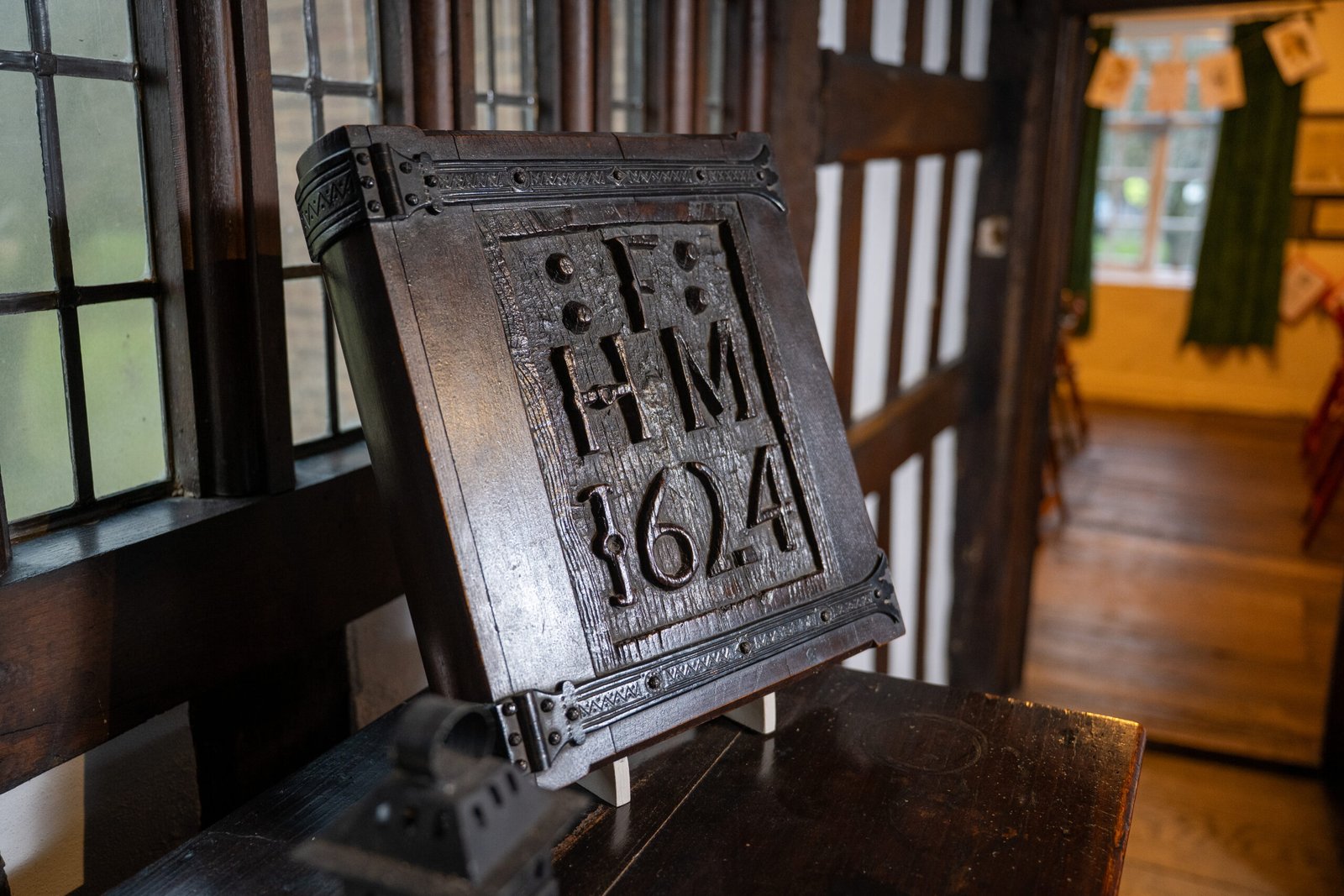
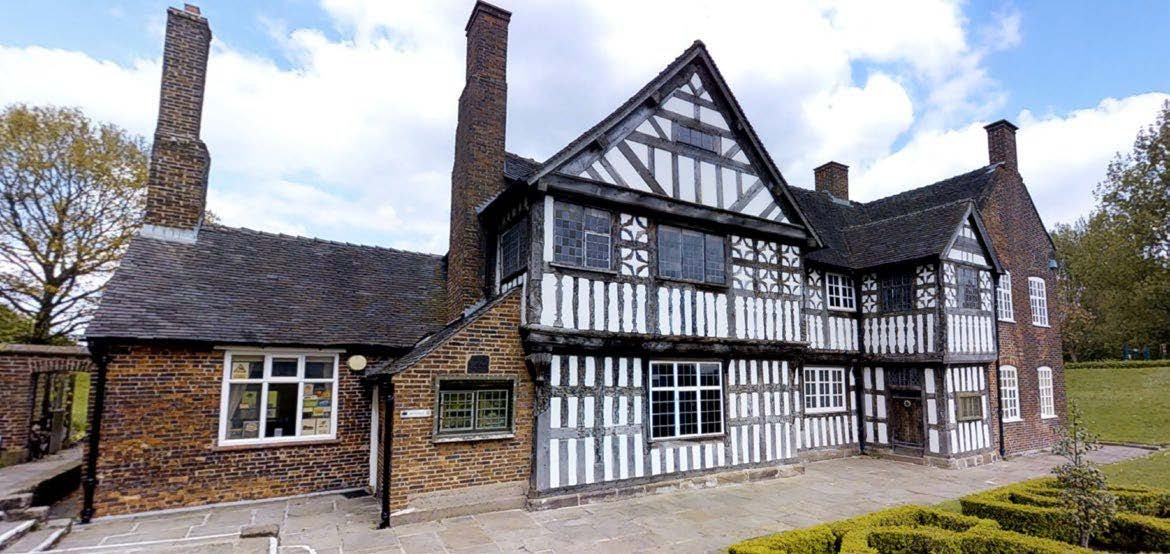
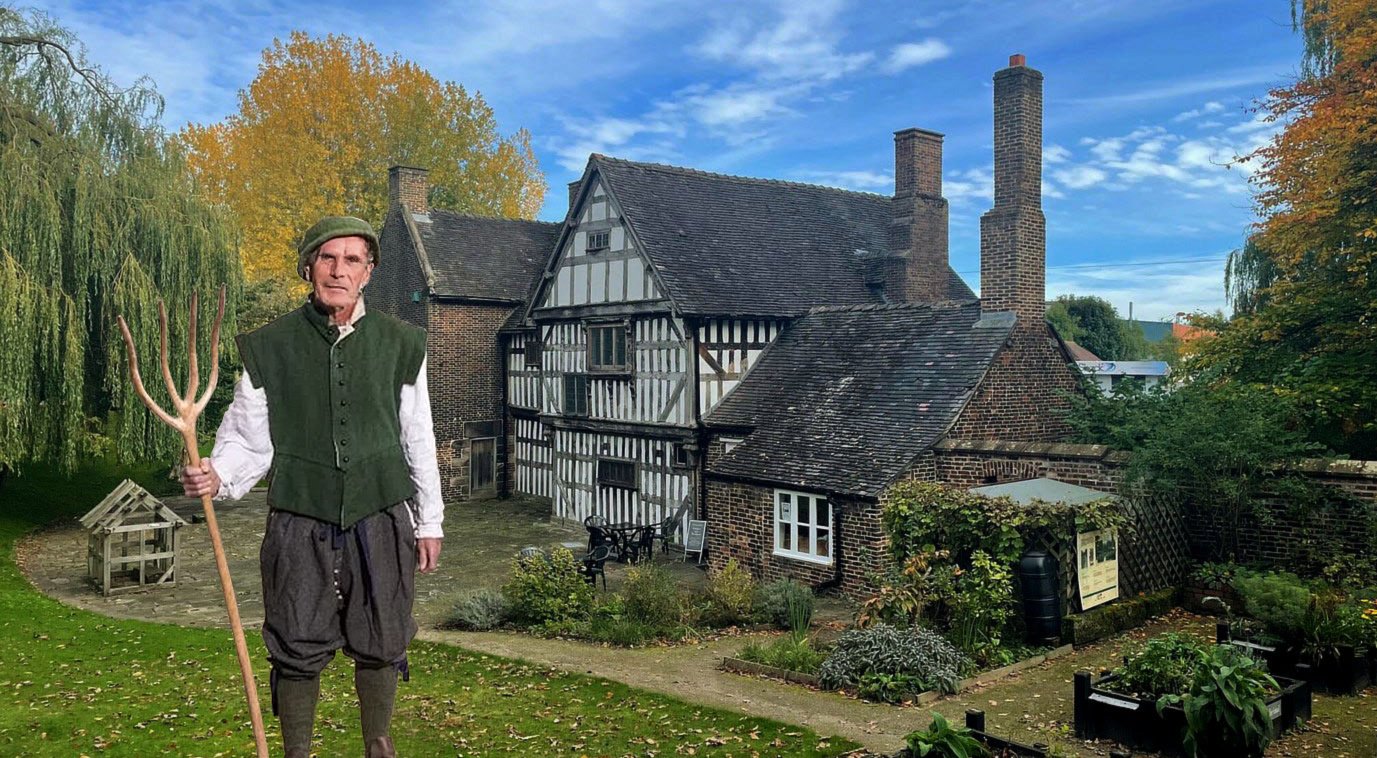
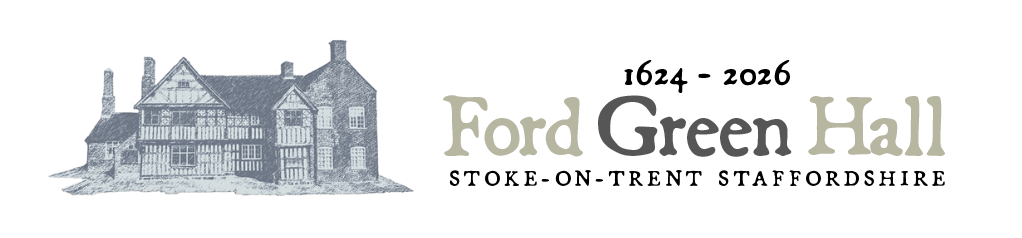
Ford Green Hall is one of Stoke-on-Trent’s finest historic treasures — a beautifully preserved Jacobean farmhouse built in 1624 for yeoman farmer Hugh Ford and his family.

Standing proudly on what was then a large farm of 36 acres, the Hall reflects a moment of change in English life — just after the Tudor age, when prosperous farming families were carving out new status and comfort in the countryside.

Built to endure

The Hall’s English oak  timber frame, decorative lozenge panels and steep gables speak of ambition as well as craftsmanship.

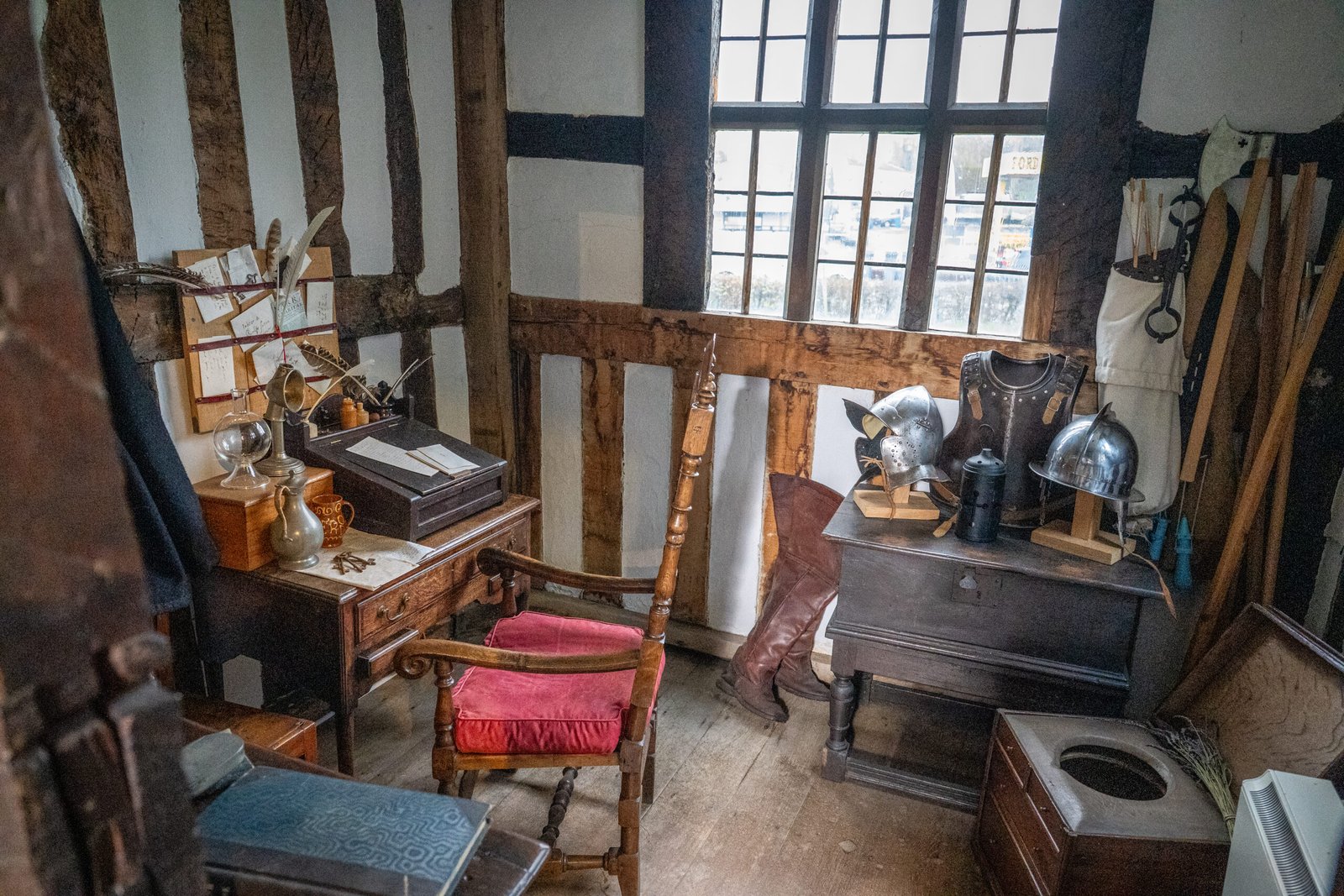
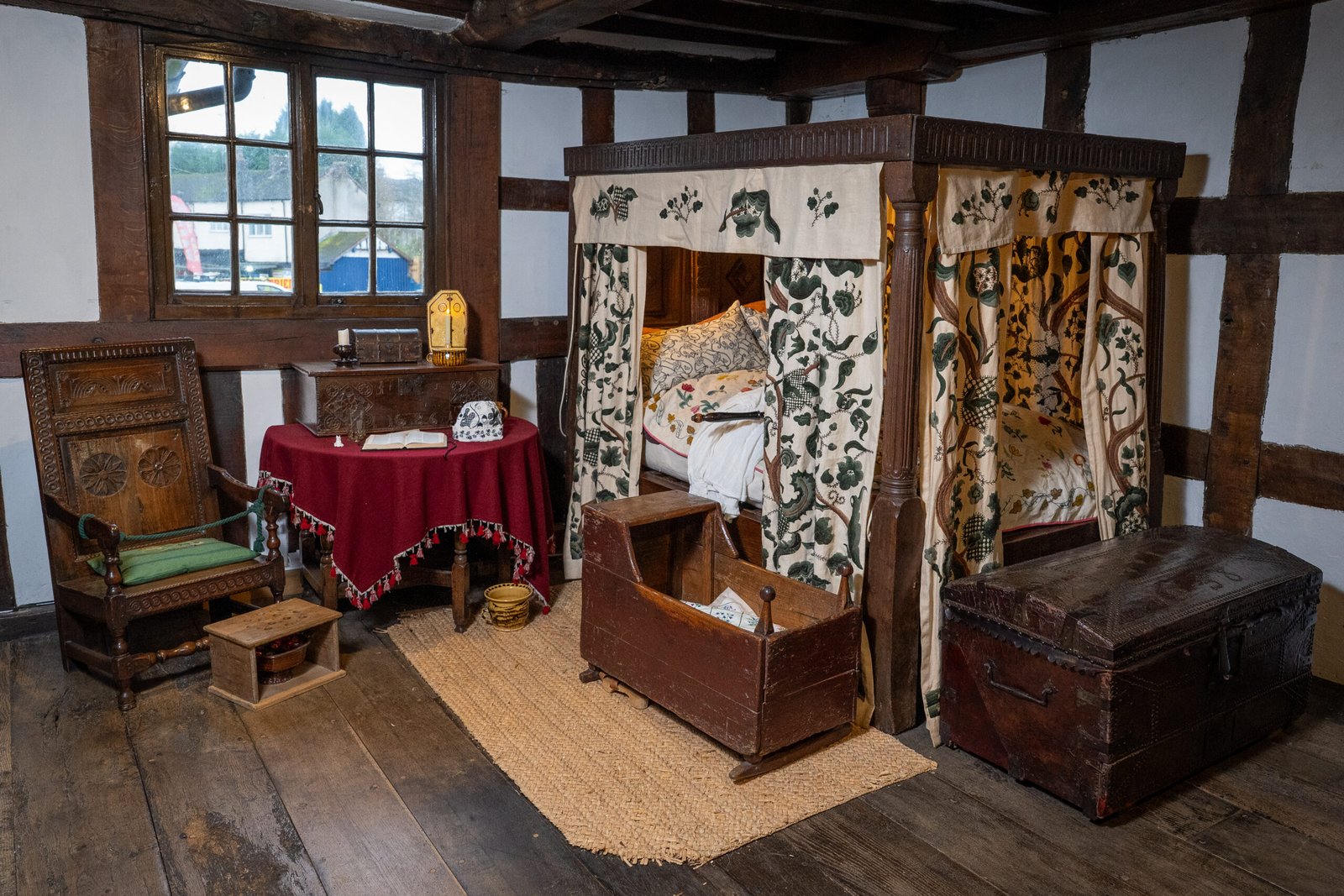
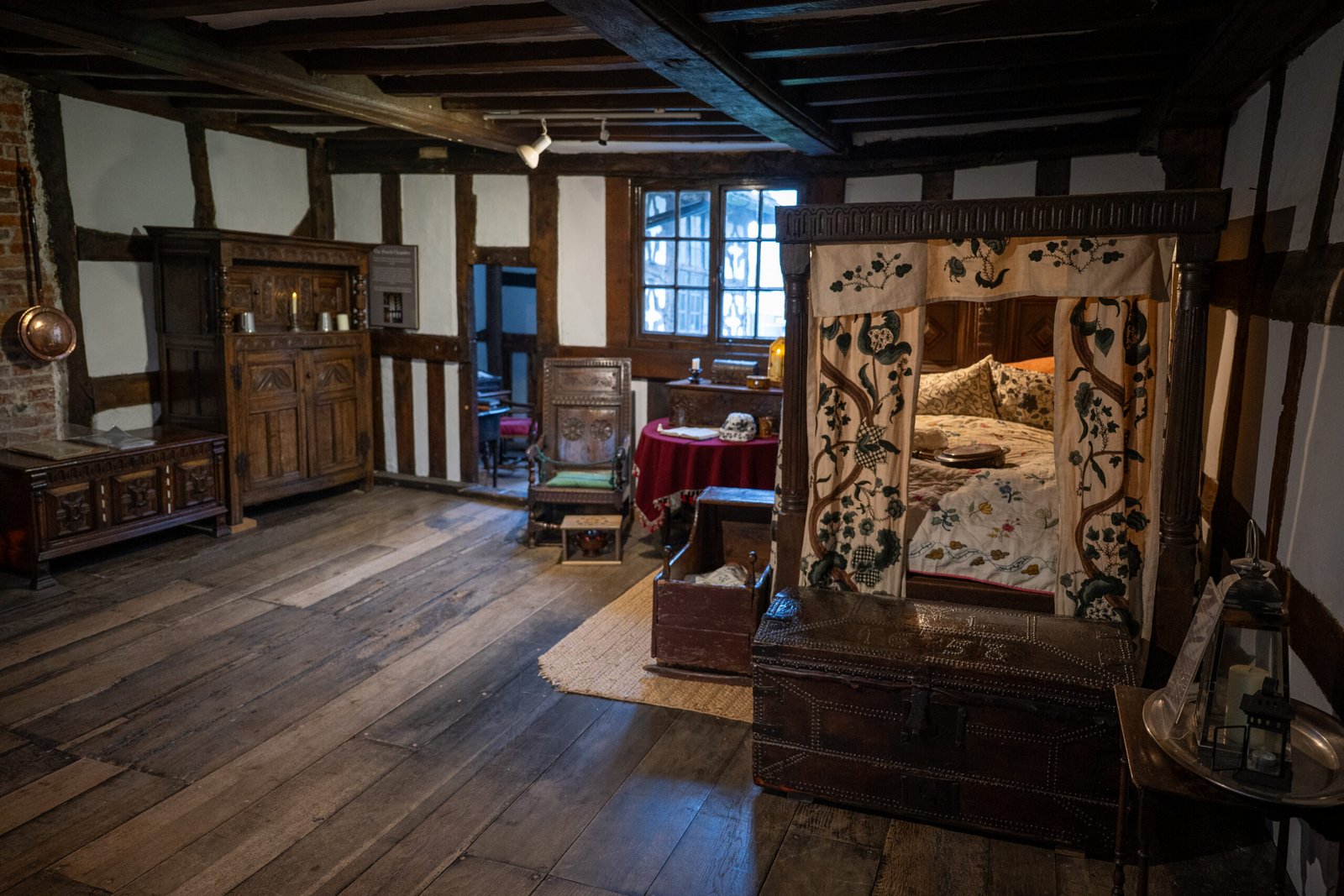
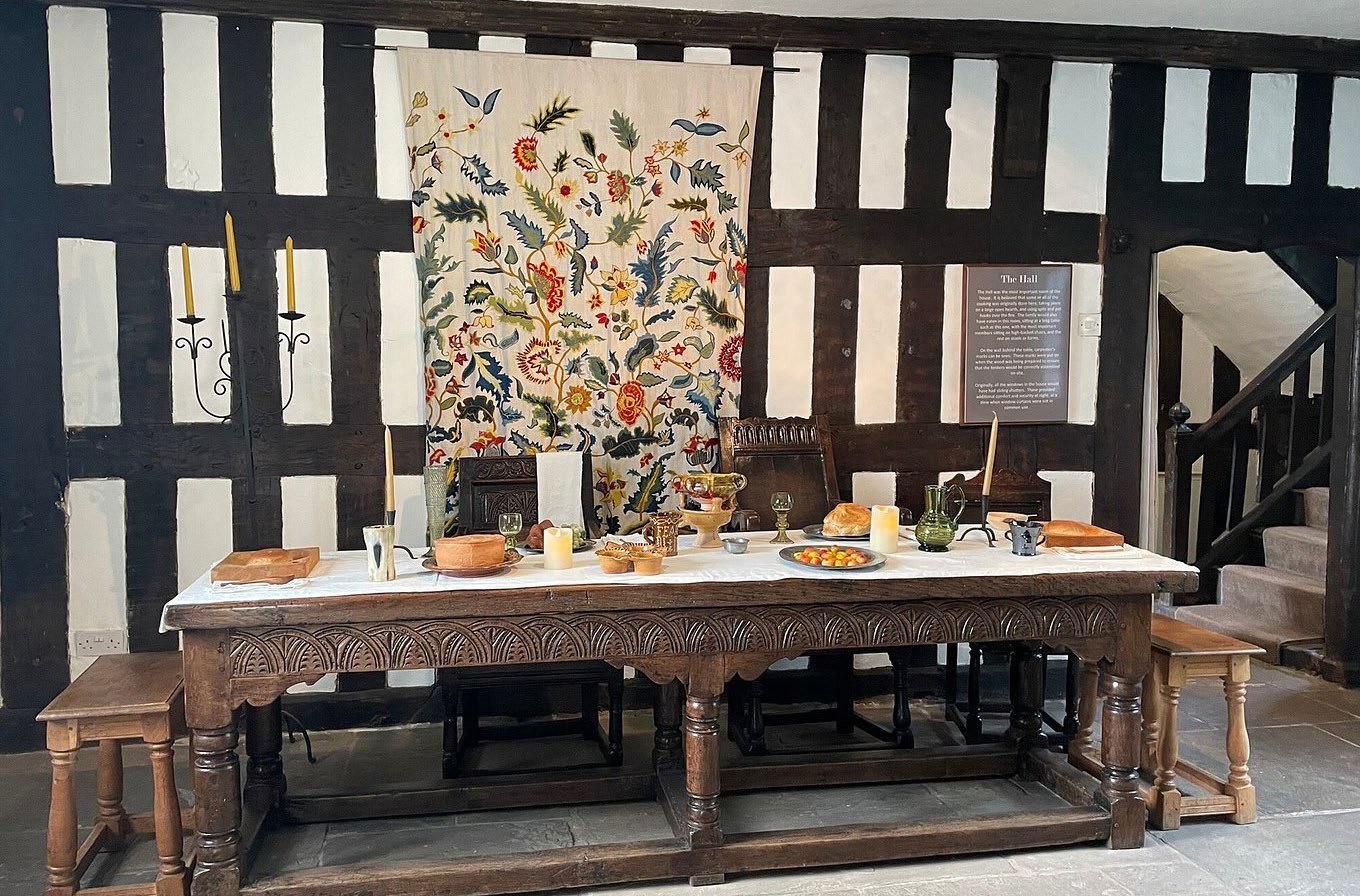
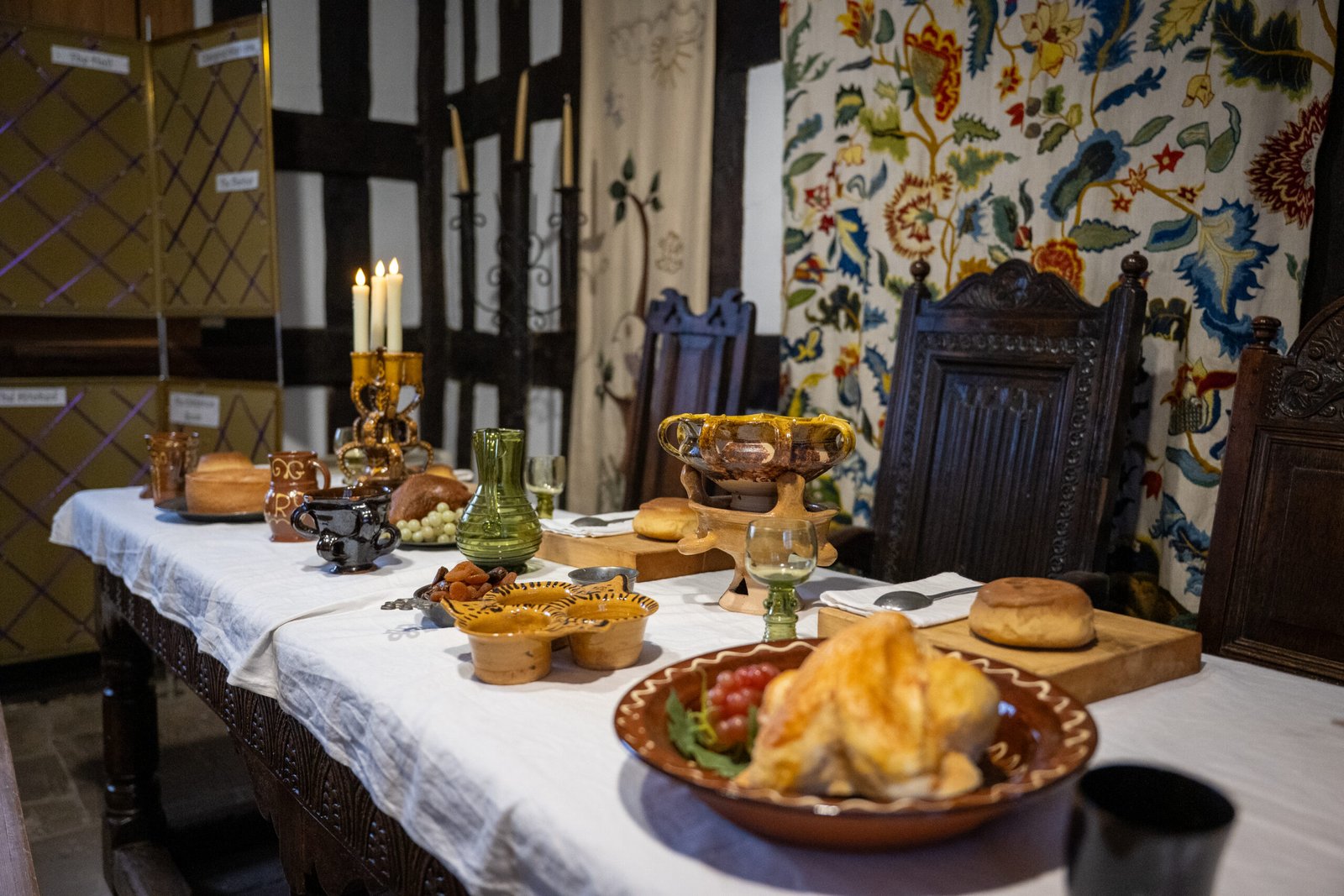
Inside, oak beams, stone floors and hand-carved furniture reveal a home built to endure — practical, elegant and rooted in its landscape.

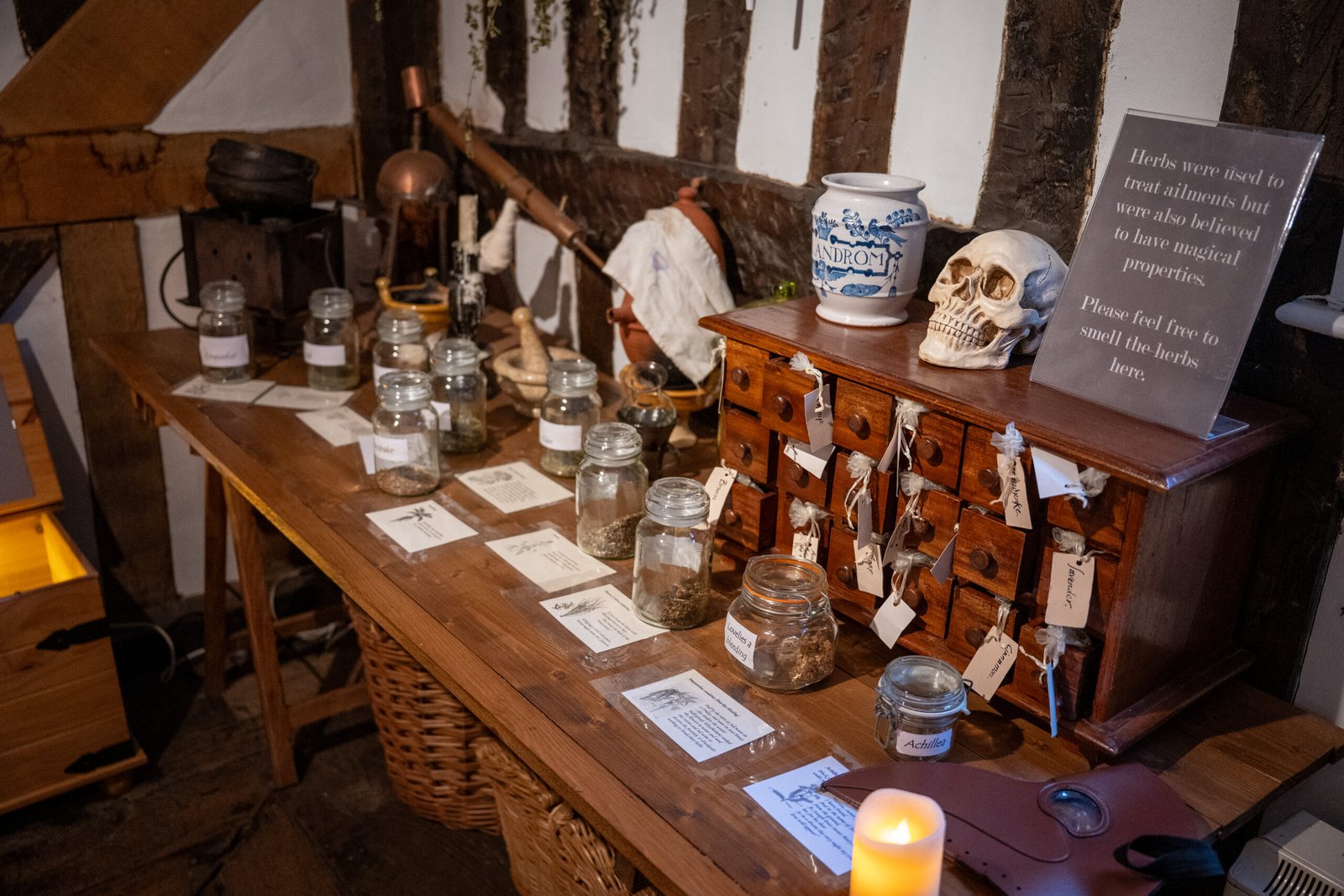
Here, the Fords lived and worked for nearly two centuries, tending dairy cattle, brewing ale, spinning cloth and growing herbs for medicine and cooking.


A taste of the 17th century

Visitors today can still sense those rhythms of Jacobean life.

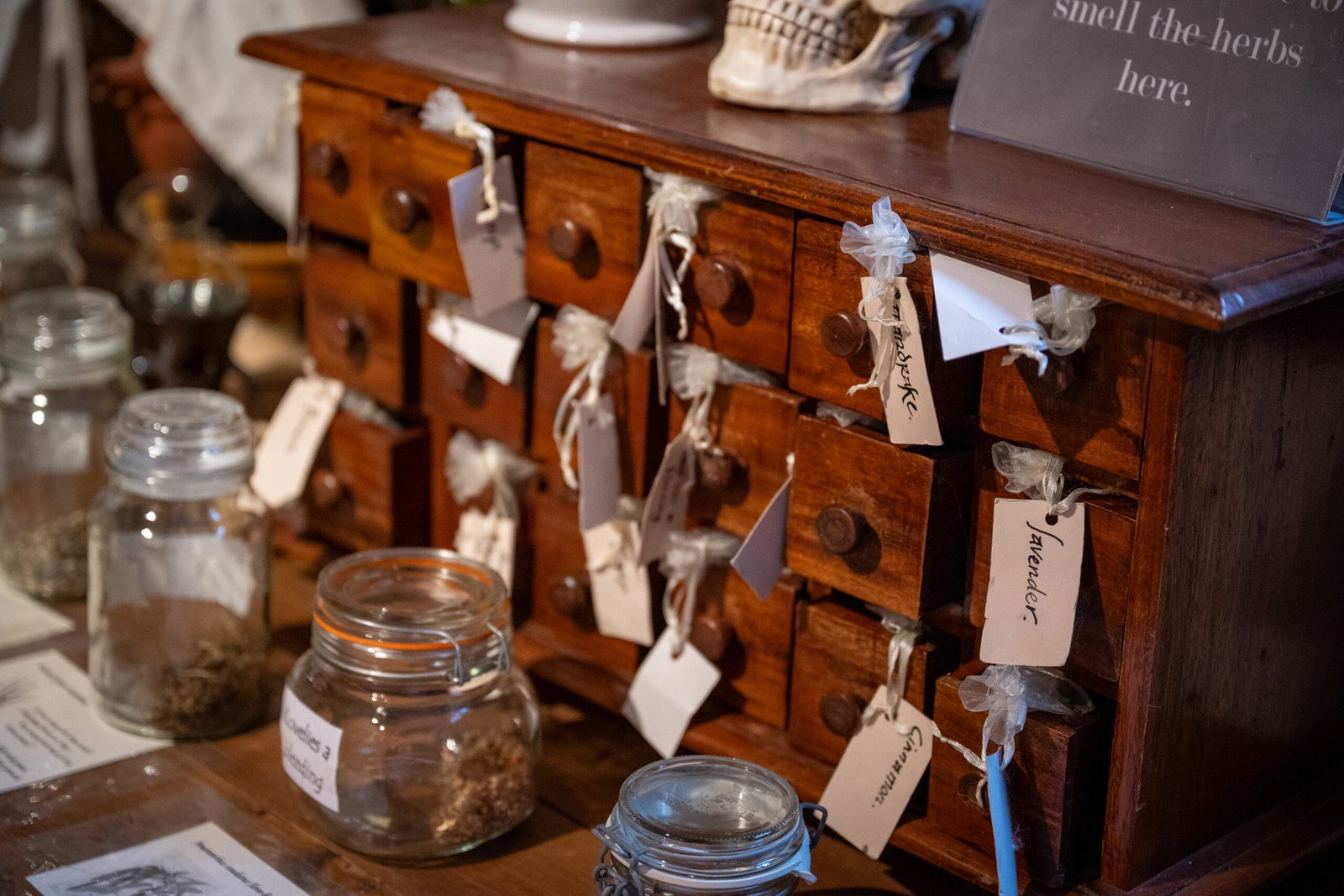
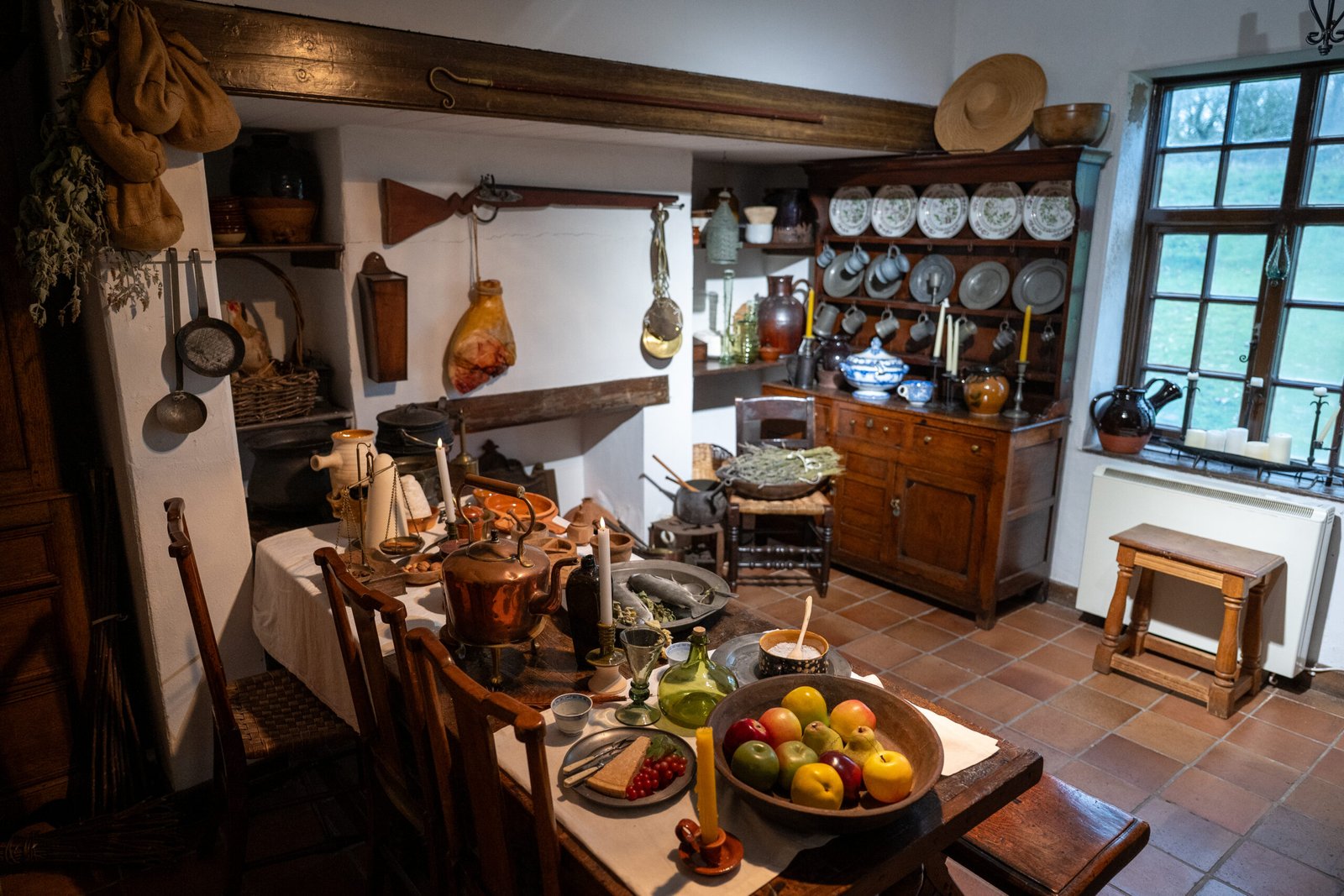
The kitchen hearth glows where bread once baked; the stillroom smells of dried herbs; the great chamber shows the quiet pride of a family rising through the social order.

Every room tells a story — of faith, hard work, and the delicate balance between wealth and weather in 17th century rural England.

An extraordinary legacy

Rescued from decline in the 20th century and now cared for by the Ford Green Hall Museum Trust, this Grade II* listed building stands as a rare survivor of its age — intimate, characterful and utterly authentic.

Ford Green Hall isn’t a grand house; it’s something rarer — a perfectly preserved home from the edge of history, where ordinary lives left an extraordinary legacy.